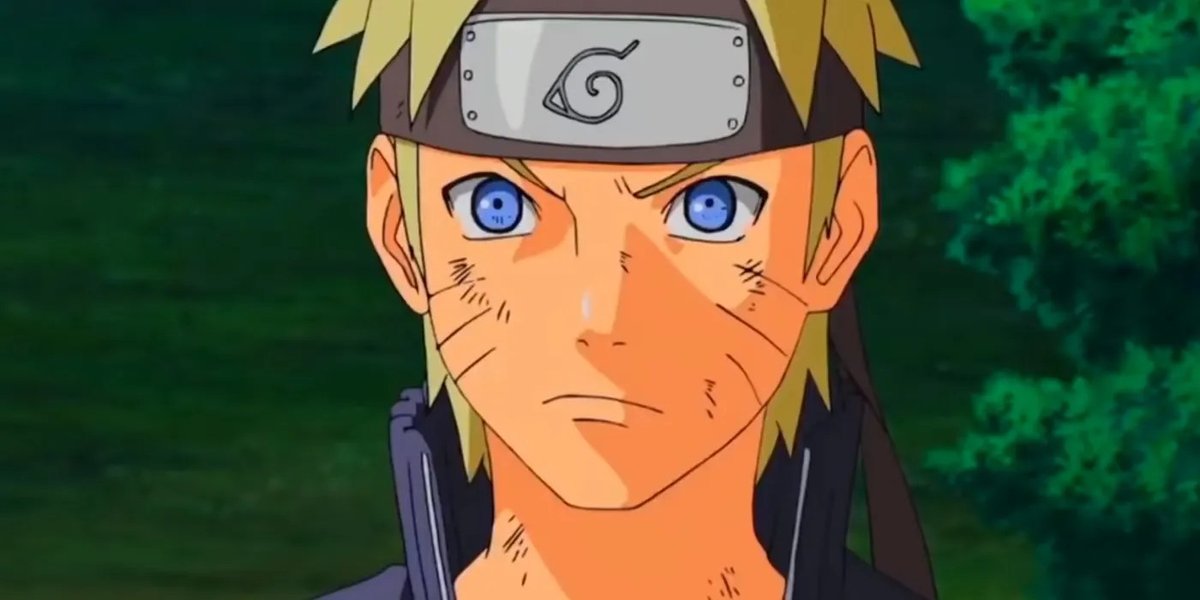
When the worlds of anime collide, fan theories and speculative crossovers ignite imaginations like wildfire. The phrase "Naruto Uzumaki in Fire Force explained" immediately sparks curiosity, hinting at a fascinating blend of two beloved series known for their intense action, profound themes, and, of course, fire-centric narratives. However, before we delve into the heart of this discussion, it’s crucial to clarify: there is no canonical crossover event where Naruto Uzumaki physically appears in the world of Fire Force.
Instead, the fascination often stems from the compelling thematic parallels, the shared emphasis on an indomitable spirit, and the symbolic power of fire that both series explore so deeply. This hub will dissect these connections, bridging the gap between two universes that, while distinct, resonate with similar energies and philosophies. We'll explore the foundational principles that define Naruto's world, touch upon the fiery challenges faced by the Special Fire Force Company, and understand why these two seemingly disparate tales often find themselves linked in the minds of fans.
The Shared Spark: Why Fans Connect Naruto and Fire Force
At first glance, the connection might seem tenuous. One is a sprawling ninja epic, the other a futuristic battle against demonic infernals. Yet, a closer look reveals a powerful thematic resonance that draws enthusiasts to ponder what a crossover might look like. Both series feature protagonists who embody a fierce, unwavering spirit, battling against overwhelming odds with an internal flame that refuses to be extinguished. It's this metaphorical "fire" that forms the bedrock of their appeal and makes the idea of Naruto existing within the Fire Force universe so captivating.
This shared spirit points to a deeper human yearning for purpose and protection, a theme central to Naruto's journey. It's about more than just literal flames; it's about the burning passion within a hero.
Unpacking the Will of Fire: Naruto's Enduring Legacy
The very essence of Naruto Uzumaki and the Hidden Leaf Village is encapsulated in a concept known as the "Will of Fire." This isn't just a catchy phrase; it's the lifeblood of Konohagakure, a philosophy passed down through generations that defines its shinobi and their unwavering commitment. It represents a powerful drive to protect the village and its people, a stark contrast to traditional ninja stereotypes focused solely on assassination.
To truly grasp the depths of this ideology, you might want to delve deeper into what the Will of Fire truly represents. It's the intrinsic power that empowers the village's shinobi, enabling them to persevere through sorrow and hopelessness, believing that the hopes and dreams of previous generations continue to live on.
The Historic Roots of Konoha's Guiding Principle
The "Will of Fire" isn't a recent invention; its origins are steeped in ancient history, dating back over a thousand years to Asura Otsutsuki. Asura's belief that love was the essential path to peace became his life philosophy, which he diligently imparted to his followers. This ancient conviction laid the groundwork for the future of Konohagakure. Later, Hashirama Senju, a direct descendant of Asura, incorporated this very principle into his vision when establishing the Hidden Leaf Village, ensuring its adoption among all clans.
If you're curious to understand how this profound concept evolved over centuries and shaped the very foundation of the ninja world, you can trace its ancient roots and the journey it took to become the guiding light of Konoha. It's a tale of lineage, conviction, and enduring legacy.
Heroes Forged in Flame: Embodying the Will
Throughout Naruto's story, numerous characters exemplify the "Will of Fire," but none more so than Naruto Uzumaki himself. His relentless pursuit of strength, his unwavering belief in his friends, and his ultimate goal to protect his village are all direct manifestations of this philosophy. He demonstrates that the "Will of Fire" isn't just about fighting; it's about love, community, and the continuous cycle of passing on hope.
For an in-depth look at his personal journey and unwavering spirit, exploring how Naruto Uzumaki himself became the quintessential embodiment of this philosophy reveals the true power of his character. This unwavering commitment is also beautifully illustrated by specific clans, such as the Sarutobi. To understand their significant role in championing and preserving this ethos, we invite you to explore the profound influence of the Sarutobi Clan on this enduring philosophy.
The Clash of Ideals: Fire vs. Hatred
The history of the "Will of Fire" is also intertwined with a fundamental conflict: the generational rivalry between Asura and his brother, Indra. This ancient feud conceptually links the "Will of Fire" with the Uchiha clan’s "Curse of Hatred," creating a dramatic tension that defines much of the series' narrative. The two ideologies stand as opposing forces, one seeking unity through love and protection, the other driven by loss and vengeance.
Understanding this deep-seated conflict is key to appreciating the complex character dynamics in Naruto's world. You can uncover the inherent tension and historical conflict between the Uchiha's Curse of Hatred and the Will of Fire to see how these two powerful philosophies shaped destinies and sparked epic battles.
Understanding Fire Force: A New Generation's Blaze
While Naruto's journey is rooted in ancient ninja traditions, Fire Force presents a vividly different world where humanity battles spontaneous human combustion, turning people into fiery demons known as Infernals. The Special Fire Force Companies are tasked with extinguishing these threats and investigating the mysteries behind this phenomenon. It's a series celebrated for its unique visual style, intense action sequences, and a compelling storyline that blends sci-fi with supernatural elements.
Despite achieving excellent sales figures, Fire Force is often considered an underrated new-generation series by many fans, delivering a fresh take on supernatural battles and character development. If you're intrigued by its unique premise and want to dive into what makes this series so compelling, you can explore more about Fire Force as an underrated gem. The battles are spectacular, and the themes of sacrifice and duty burn just as brightly as any chakra-infused jutsu.
Blazing Strength: The Power Within Fire Force
In Fire Force, characters wield pyrokinetic abilities, generating and manipulating flames in incredible ways. The strength of these individuals is often tied not just to their raw power, but to their resolve, their ability to control their emotions, and their unwavering determination to protect others from the terrifying infernals. This inherent strength and character drive is a common thread that resonates with the "Will of Fire" in Naruto's universe, even if the source of power differs.
To explore the hierarchy of power and see who ranks among the strongest characters blazing through the inferno provides fascinating insights into the series' power scaling and character development.
The Enduring Flame of Heroism
While Naruto Uzumaki may not be a member of the Special Fire Force, the thematic parallels between his world and that of Fire Force are undeniable. Both narratives celebrate the indomitable human spirit, the power of community, and the burning desire to protect those you care about. Whether it's the "Will of Fire" empowering a ninja village or the unwavering resolve of a pyrokinetic firefighter, the core message remains the same: a true hero's flame never dies.
These stories remind us that heroism isn't about the specific powers you wield, but the will you possess to light up the darkness and inspire those around you. The spirit of Naruto, much like the flames of Fire Force, continues to burn brightly in the hearts of fans, bridging conceptual gaps and sparking endless discussion.